
Salem History
Unearth Salem's Secrets with Spellbound Tours
The best material in Salem is not on a plaque. Six things the city keeps in plain sight, and where to stand to see them.
Salem is a city that has been explaining itself to visitors for a hundred and fifty years. The result is a layer of official story over a much stranger set of facts — some of them hidden in plain sight, some of them deliberately forgotten.
These are the ones that come up most often on the walk.
The jail nobody wanted to reuse
After the trials, Salem had a problem: a jail full of infected, freezing cells and a town that wanted to move on. The building was eventually dismantled, and the story that has come down through local histories is that its timbers were not reused. Whether that is literal or symbolic, it captures something true about how the city handled 1692 — by taking it apart and not talking about it.
The judge with the silent gravestone
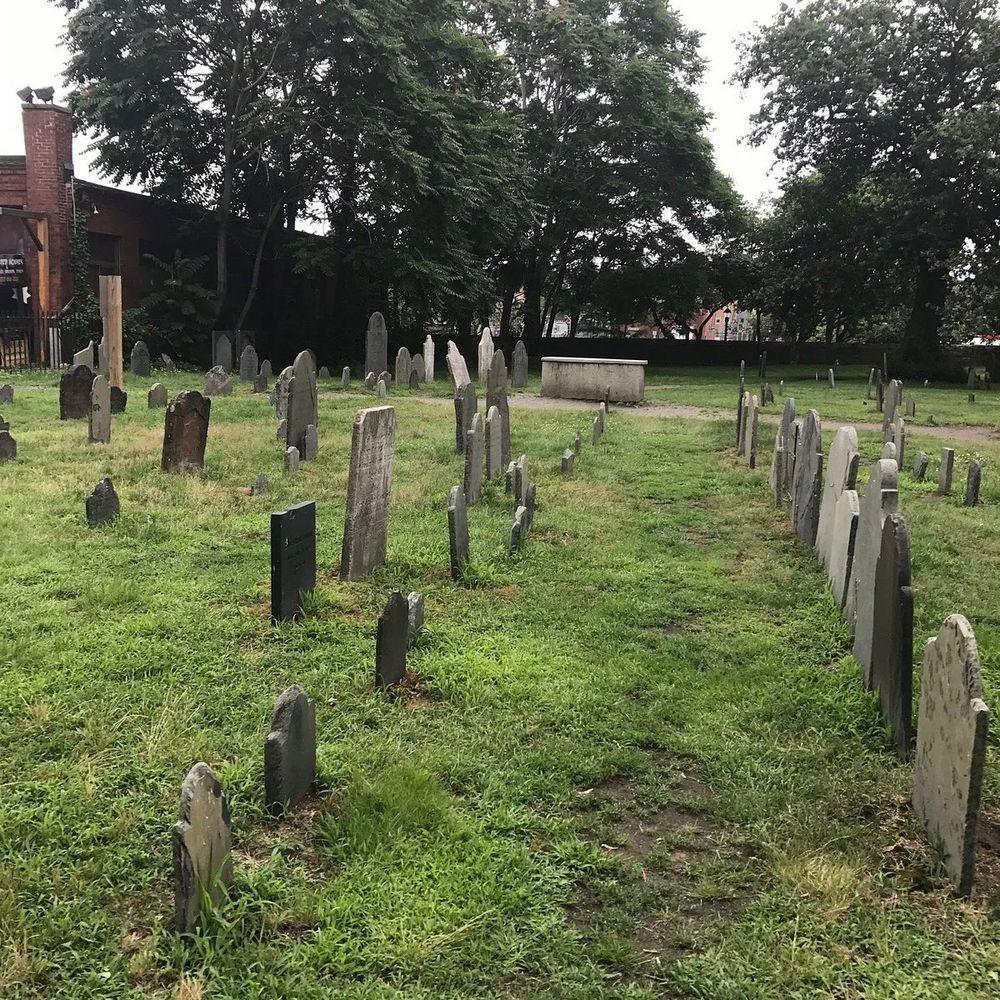
Judge John Hathorne never expressed remorse. He is buried in the Old Burying Point under a stone that records his name, his dates and his family, and says nothing whatsoever about the trials. His descendant Nathaniel Hawthorne added a "w" to the family name and spent a literary career circling the same shame.
Stand at the grave and read the inscription. The absence is the point.
A gallows in the wrong place
For three centuries, Salem believed the 1692 executions took place at Gallows Hill. In 2016, a research project concluded the gallows actually stood at Proctor's Ledge, a rocky outcrop between Boston and Proctor streets, now a small memorial. The city's records had been deliberately vague at the time, partly because the authorities did not want a pilgrimage site.
They got one anyway — just in the wrong place.
The museum's secret
The Peabody Essex Museum holds one of the oldest collections in the country, built on Salem's China trade. The building itself, and the way its collection was assembled, carries a story about what the city chose to keep and what it chose to sell. The tour ends with it because it closes the loop: the same port that produced the trials produced the fortune that paid for the museum.
The house with two names
The House of the Seven Gables is named for a novel, not for its architecture. Hawthorne's 1851 book attached a fictional curse to a real 1668 merchant's house, and the building has been living with the consequences ever since. The secret staircase inside is real; the story about it is not.
The photograph nobody can explain
Every guide has one. Guests send images in after the walk, and most are dust, reflection or a thumb. A small number are not, and those get added to a file that has been growing since 2000. On a good night, the review at the end of the tour includes one of them.
See them in person
Most of these places are within a ten-minute walk of the Salem Visitor Center, where the Spellbound Tour meets at the Revere Bell. The walk runs nightly, rain or shine, and covers the trial sites, the burying ground and the buildings in between. Tickets from $28.
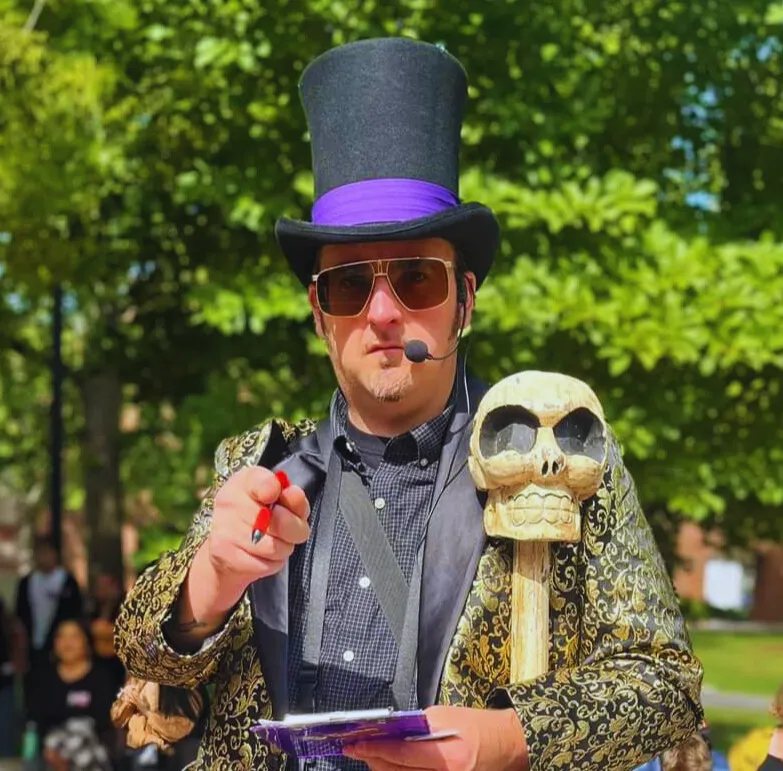
Dr. Vitka is a Salem historian, licensed city guide and professional paranormal investigator. He leads the Spellbound Tour nightly and hosts the Spellbound podcast.
Keep reading
Reserve your place
Walk these stories in person.
The Spellbound Tour runs nightly from the Revere Bell at the Salem Visitor Center. From $28, all ages, rain or shine.
Nightly tours · All ages · Rain or shine · (978) 740-1876