
Salem History
Gallows Hill
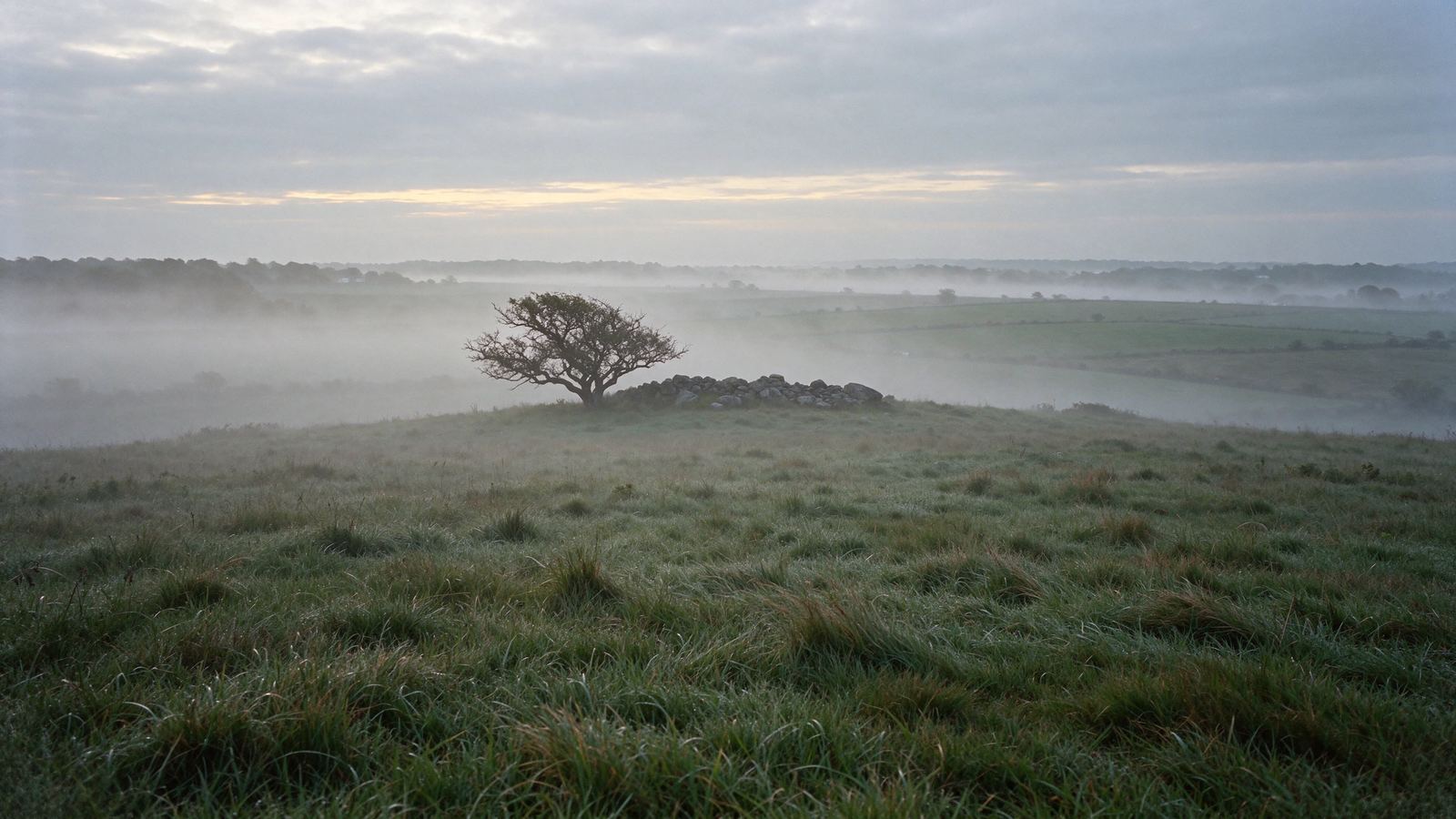
Salem's most famous execution site is probably the wrong hill. Three centuries of confusion, and the ledge where the gallows actually stood.
Every Salem tour ends at Gallows Hill. Ours does not, and the reason is one of the more interesting pieces of historical detective work in the city's record.
What everyone knows
In 1692, nineteen people were hanged for witchcraft in Salem. The executions took place on a hill outside the settlement, which became known as Gallows Hill. Today there is a park with that name, a playground, a ball field and a view over the city. Tour groups go there at dusk and tell the story.
The only problem is that the park is almost certainly not where it happened.
Why the record is vague
The authorities in 1692 had no interest in creating a pilgrimage site. Records refer to the place obliquely — "the usual place of execution," a "hill" — and the condemned were buried in unmarked ground nearby. Local memory preserved the name but not the location.
Over the centuries, several candidates emerged. Gallows Hill Park became the popular answer because it was high, visible and available. It was also convenient: a hill with a name is easier to visit than an unmarked ledge behind a row of houses.
The 2016 conclusion
A research project led by the historian Emerson Baker, working with the Gallows Hill Project team, examined the topography, the property records and the contemporary accounts. The conclusion was that the executions took place at Proctor's Ledge — a rocky outcrop between Boston Street and Proctor Street, in what is now a residential neighbourhood.
The site is a small memorial today, easy to miss, with a low wall and the names of the dead. There is no car park, no gift shop and no tour bus.
Why the tour does not go there
Two reasons. First, Proctor's Ledge is a residential street and a memorial, not an attraction; a group of twenty arriving at night is a disturbance. Second, the story is better told where the geography can be explained — which is what the walk does, with the hill visible in the distance and the evidence laid out.
It is also a useful lesson. Salem's most famous landmark is named for something that probably happened somewhere else, and the city has only recently begun to say so.
What actually happened at the executions
The condemned were hanged, not burned. The bodies were cut down and buried in shallow ground nearby, which is why there is no cemetery to visit. One man, Giles Corey, was pressed to death with stones in a field rather than hanged, because he refused to enter a plea.
Nineteen were hanged. One was pressed. Several died in prison. The youngest accused were children.
Where to see it
Proctor's Ledge Memorial is at 7 Pope Street, a short walk from downtown. Go quietly, in daylight, and read the names. The Spellbound Tour explains the site and the confusion around it on the route, which does not include the memorial itself.
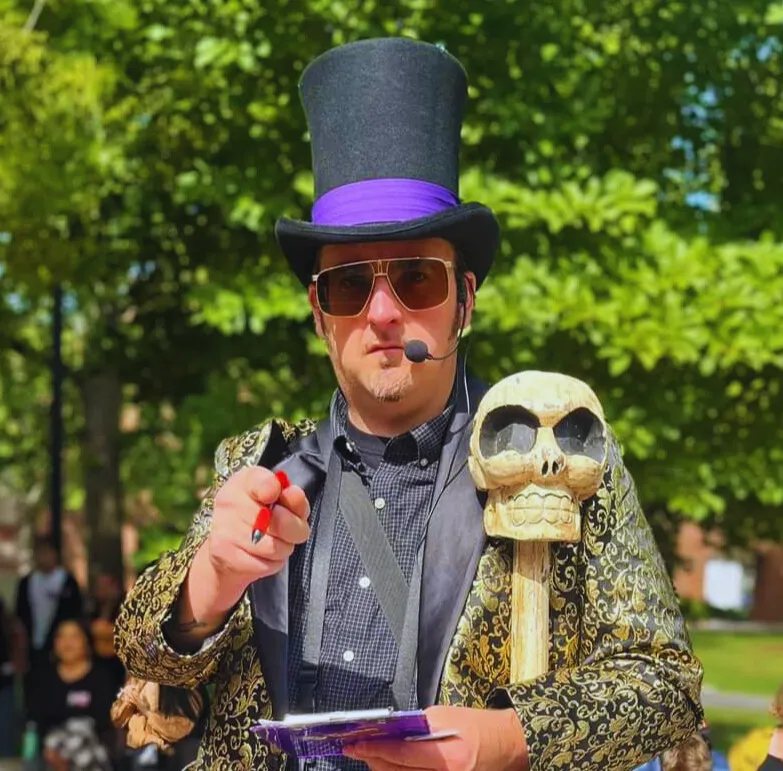
Dr. Vitka is a Salem historian, licensed city guide and professional paranormal investigator. He leads the Spellbound Tour nightly and hosts the Spellbound podcast.
Keep reading
Reserve your place
Walk these stories in person.
The Spellbound Tour runs nightly from the Revere Bell at the Salem Visitor Center. From $28, all ages, rain or shine.
Nightly tours · All ages · Rain or shine · (978) 740-1876