
Salem History
The Salem Secret Tunnel Myth, Exposed
Pirates, smugglers, Lovecraft and a network of tunnels under the city. What archaeology actually found, and where the story came from.
Every old American city has a tunnel legend. Salem's is unusually persistent: a network of passages running from the wharves to the churches, used by smugglers, pirates, and — in the version told on some tours — by the accused escaping the jail. It is a good story. It is mostly not true.
What actually exists underground
Salem has real subterranean structures. There are brick vaults under the wharves, drainage culverts, foundations of buildings that burned, and a nineteenth-century sewer system. The Peabody Essex Museum and the National Park Service have both documented underground features on Derby Wharf and along the waterfront.
None of them is a tunnel network connecting the harbour to the churches.
Where the myth comes from
Three places. First, genuine smuggling. Salem was a major port with a long history of evading customs, and merchants did use vaults and back entrances. Second, the nineteenth-century press, which loved a lurid story and had no fact-checking department. Third, and most importantly, H. P. Lovecraft.
Lovecraft's Salem
Lovecraft visited Salem repeatedly and set several stories in and around the city. His fiction is full of subterranean passages, ancestral secrets and New England towns with something underneath them. The imagery is so effective that it has become indistinguishable, for many readers, from the city's actual history.
Lovecraft also drew on real Salem material — the trials, the merchant families, the architecture — which makes the invented parts harder to separate.
What the archaeology says
Excavations in downtown Salem have turned up foundations, wells, privies and rubbish pits. They have not turned up a tunnel network. Where passages exist, they are short, structural or drainage-related, and they do not connect the buildings the legends claim.
That is the normal result. Tunnels are expensive, difficult to dig in fill, and unnecessary when a cart and a dark street will do.
Why the story survives
Because it is useful. A tunnel is a physical explanation for something intangible: the sense that a city has a hidden layer, that the official story is incomplete. Salem does have a hidden layer — it just is not underground. It is in the court records, the unmarked graves and the parts of the city's history that were deliberately not discussed for two centuries.
What to tell your friends
That the tunnels are a myth with real roots: smuggling vaults, Victorian newspapers and a horror writer from Providence. That is a better story than the fake one, and it has the advantage of being true.
The Spellbound Tour debunks the tunnel legend on the route and explains where it came from. It runs nightly from the Revere Bell at the Salem Visitor Center, from $28.
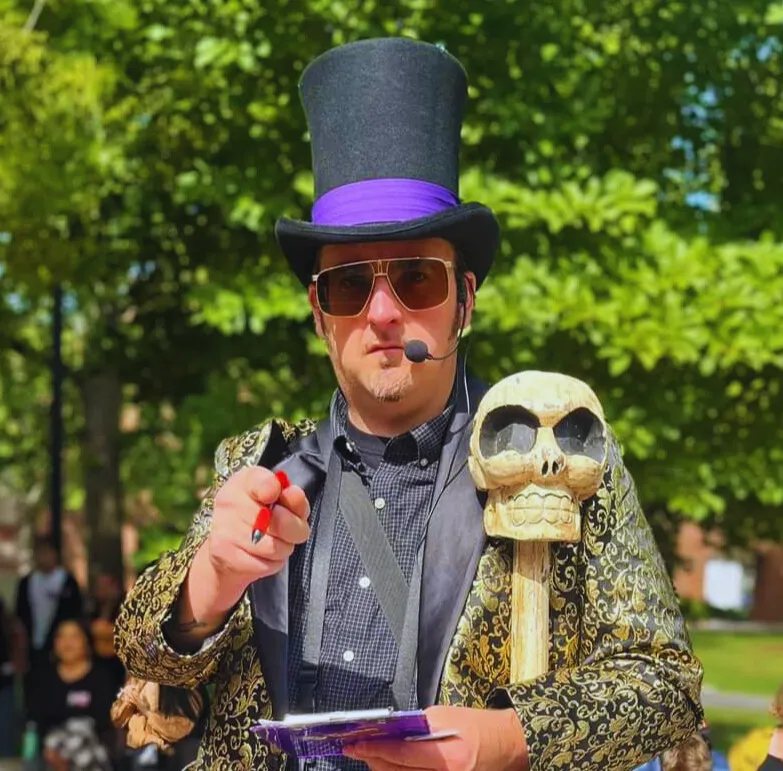
Dr. Vitka is a Salem historian, licensed city guide and professional paranormal investigator. He leads the Spellbound Tour nightly and hosts the Spellbound podcast.
Keep reading
Reserve your place
Walk these stories in person.
The Spellbound Tour runs nightly from the Revere Bell at the Salem Visitor Center. From $28, all ages, rain or shine.
Nightly tours · All ages · Rain or shine · (978) 740-1876