
The city itself
About Salem, Massachusetts: A Short History
Three hundred years of trade, testimony and reinvention — the background that makes the walk make sense.
1600s
A port town with a short memory and a long guilt
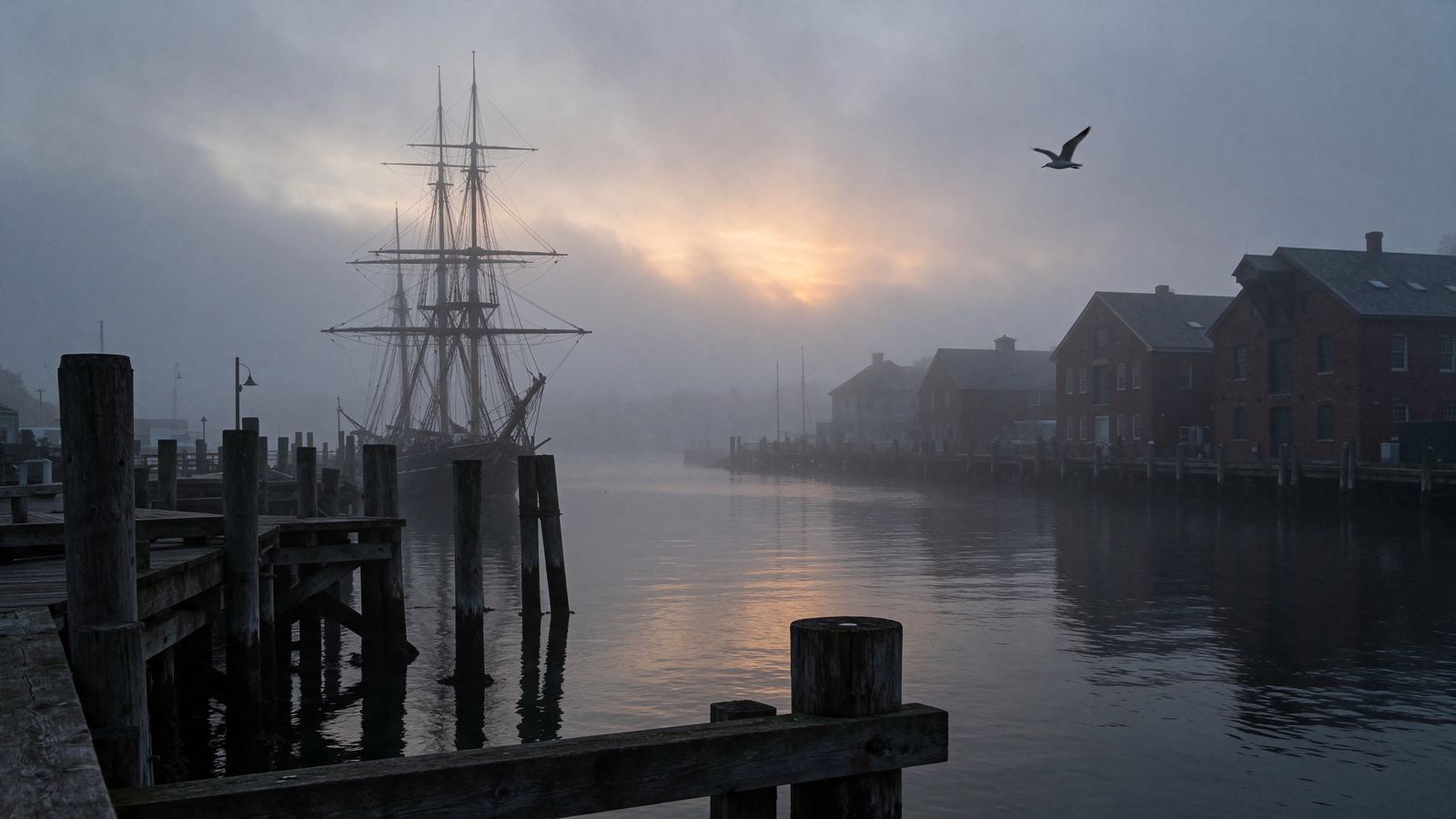
Salem was founded in 1626 and named for the Hebrew word for peace. By the end of the century it was one of the busiest ports in English North America, trading with the Caribbean, the Azores and the West Indies. That trade brought wealth, enslaved people, and ideas that did not always arrive with a paper trail.
In 1692 the accusations began. Over roughly nine months, more than 200 people were accused, 19 were hanged on Gallows Hill and one man, Giles Corey, was pressed to death with stones. The evidence was spectral: dreams, fits and visions that no one else could see. The court accepted it. The colony later admitted the error and reversed the convictions, but the families never received their land back.
The location of the hangings was vague for three centuries. In 2016 a research team concluded the gallows stood at Proctor's Ledge, now a small memorial between Boston and Proctor streets — not at the hill that carries the name.
1700s–1800s
Wealth, ships and a novelist's revenge
Salem rebuilt its reputation on sail. Derby Wharf sent ships to Sumatra, Canton and Calcutta; the Peabody Essex Museum's collections are the residue of that trade. The city was briefly one of the richest places in America, and the mansions on Chestnut Street still show it.
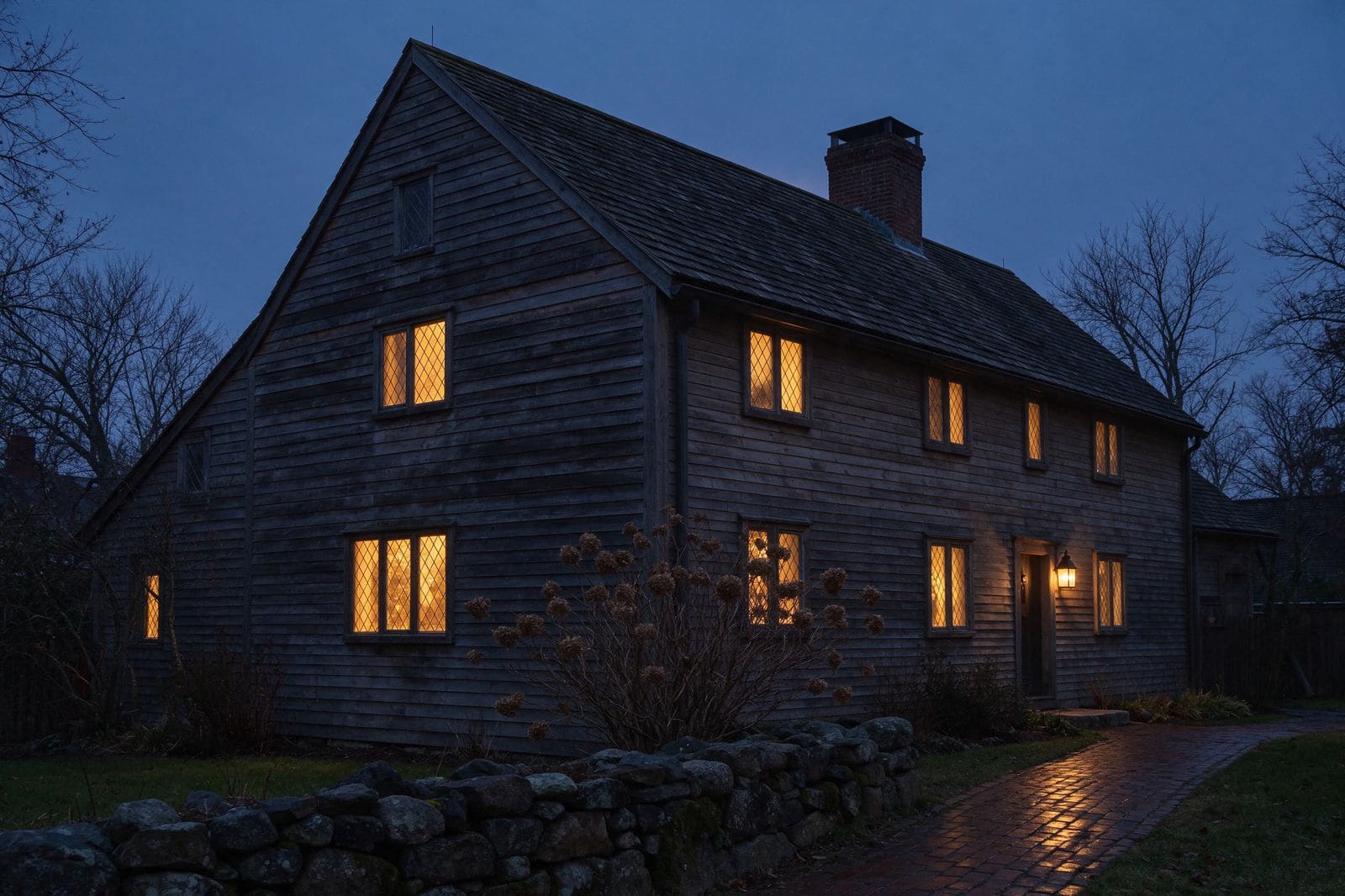
Nathaniel Hawthorne was born here in 1804, a descendant of Judge John Hathorne — the only judge who never expressed remorse for 1692. Hawthorne added the 'w' to his name and spent his career circling the family shame, most famously in The House of the Seven Gables, which sits on Turner Street and can still be toured.
1900s–today
How Salem became Witch City
The city's modern identity was manufactured, gradually and commercially. A 1970s tourism campaign leaned into the trials; the 1993 film Hocus Pocus made Old Town Hall a pilgrimage site; the internet finished the job. Today Salem draws more than a million visitors a year, most of them in October, and the witch economy supports a large share of downtown.
That history is complicated, and the people who live here know it. The 1692 executions were not a costume party. The accused were real people with descendants still in the city. A good tour holds both facts at once: the horror and the industry it produced.
What to read before you visit
- The Salem Witch Trials: A Day-by-Day Chronicle by Marilynne Roach for the documentary record
- A Storm of Witchcraft by Emerson Baker for the political context, and for the Proctor's Ledge research
- The House of the Seven Gables by Nathaniel Hawthorne for the mood, if not the facts
- Anything by Dr. Vitka's podcast guests — the Spellbound feed is a good place to start
Where to see it for yourself
The Witch House, the Old Burying Point, Proctor's Ledge and the Witch Trials Memorial are the four places that make 1692 legible. All four are within a fifteen-minute walk of each other, and all four appear in some form on the Spellbound route — three of them directly, and Proctor's Ledge by explanation, because the tour does not go to Gallows Hill Park.
Reserve your place
Three hundred years of history in ninety minutes.
The Spellbound Tour connects the trials, the trade and the hauntings on one walk through downtown Salem.
Nightly tours · All ages · Rain or shine · (978) 740-1876