
Salem History
Salem with Trials
The trial record is a walking route. Where the court sat, where the accused were held, and where the dead were buried without markers.
Most visitors see the trials as a story. They are also a paper trail, and the paper trail has addresses. If you want to understand 1692, follow the documents around the city — the court, the jail, the meeting house and the graves.
The court
The Court of Oyer and Terminer sat in Salem Town in the meeting house, on what is now Washington Street near the intersection with Essex. Nothing of the building survives. The site is a commercial block, and the only indication that anything happened there is the traffic.
That is the first lesson of the walk: the most consequential courtroom in colonial Massachusetts is now a shopfront, and the city has not marked it.
The jail
The accused were held in a stone jail on what is now Federal Street, near the site of the old prison. Conditions were brutal: no heat, no sanitation, insufficient food. Several prisoners died before trial, including an infant. The building was dismantled after the trials, and local histories hold that the timbers were not reused.
The examinations
Before trial, the accused were examined by magistrates — Jonathan Corwin and John Hathorne among them — in sessions that functioned as preliminary hearings. The transcripts survive and are among the most disturbing documents in American history: intelligent men asking a terrified farmer whether he had signed the devil's book.
Read them. The questions are worse than the answers.
The executions
Nineteen were hanged, one was pressed to death and several died in prison. The executions took place at Proctor's Ledge, identified by research published in 2016, not at the site now called Gallows Hill. The bodies were buried in unmarked ground nearby.
The graves
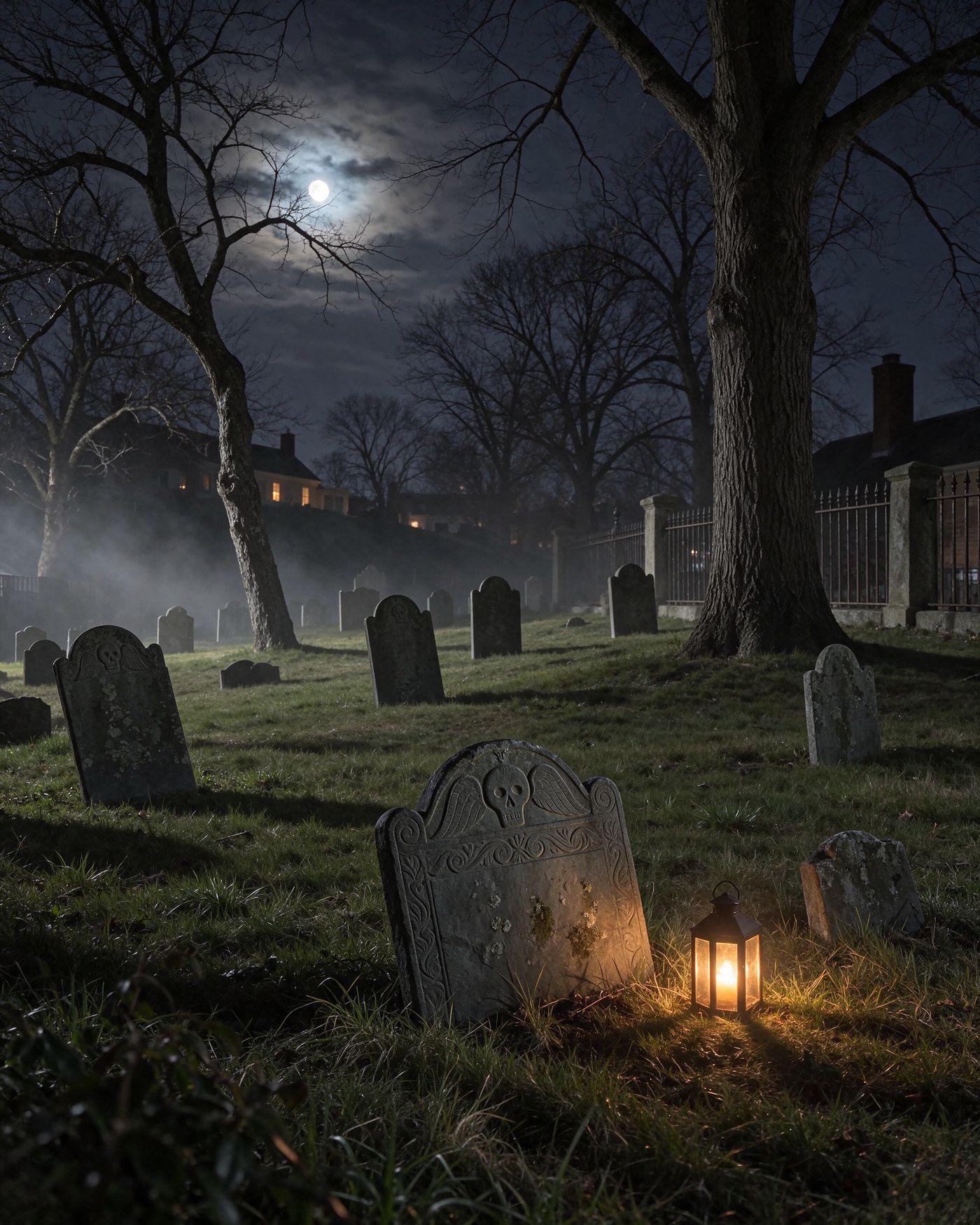
The Old Burying Point holds Judge Hathorne, whose stone says nothing about the trials, and the Witch Trials Memorial next to it holds twenty benches, one for each of the dead, inscribed with their last words. It is the closest thing the city has to a grave for the victims.
What the record teaches
That ordinary people will believe extraordinary things when authority tells them to. That a court can accept dreams as evidence if it wants to. That a community can destroy itself in a season and then spend three centuries deciding what to say about it.
And that the geography of a tragedy is usually ordinary: a shopfront, a car park, a residential street with a low stone wall.
Walk it
The Spellbound Tour covers the court site, the jail site, the burying ground and the memorial in ninety minutes, with the documents quoted directly. It meets at the Revere Bell in front of the Salem Visitor Center, nightly, from $28.
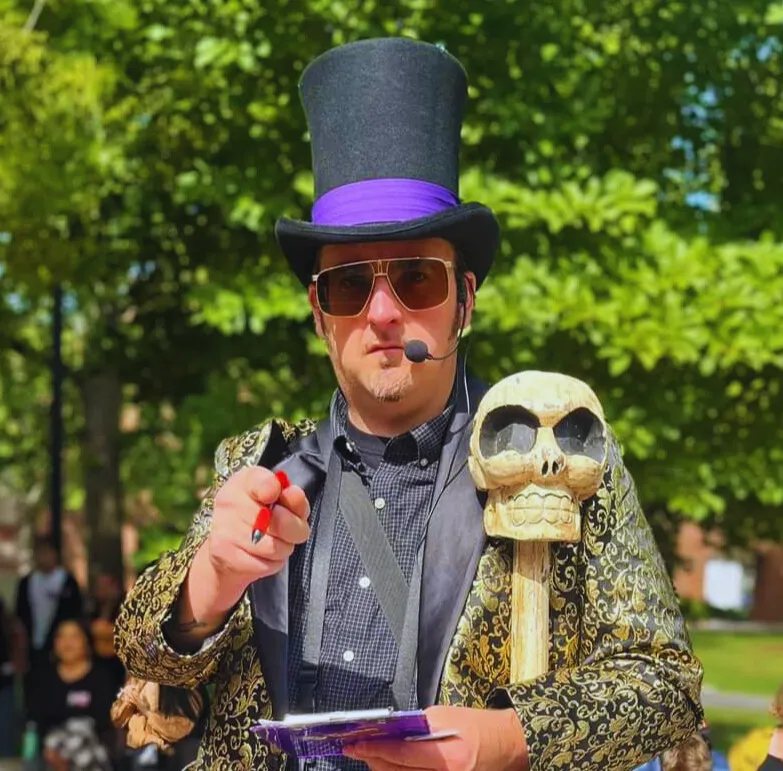
Dr. Vitka is a Salem historian, licensed city guide and professional paranormal investigator. He leads the Spellbound Tour nightly and hosts the Spellbound podcast.
Keep reading
Reserve your place
Walk these stories in person.
The Spellbound Tour runs nightly from the Revere Bell at the Salem Visitor Center. From $28, all ages, rain or shine.
Nightly tours · All ages · Rain or shine · (978) 740-1876