
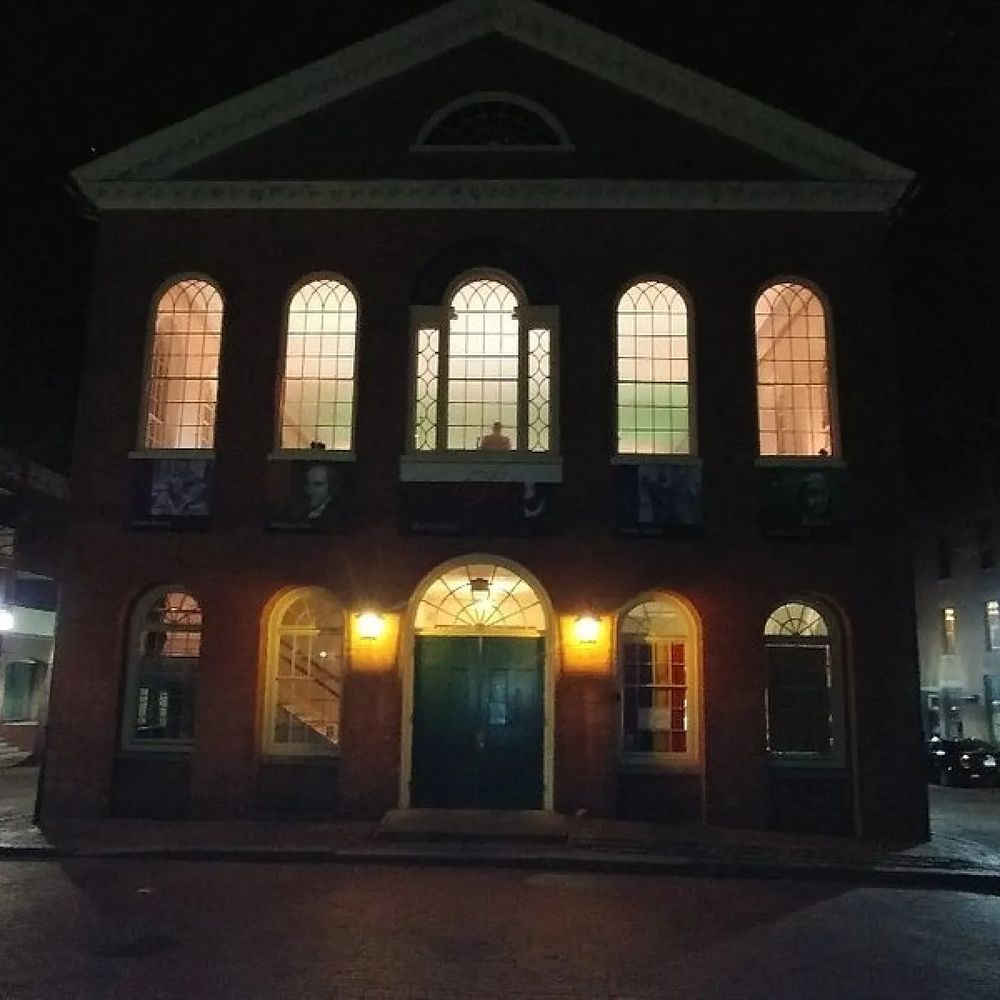
Salem History
How the Haunted Past of Salem Shapes Its Present
A city that sells its worst year to a million visitors has a complicated relationship with memory. Salem lives with 1692 every day.
There is a moment, walking down Essex Street in October, when the costume shops and the memorial benches are in the same field of view. Twenty stone seats remember nineteen people who were hanged and one who was pressed to death, and forty feet away a shop sells plastic gallows.
That contradiction is Salem's central fact, and the city has never fully resolved it.
The economy of memory
Salem's downtown depends on tourism, and tourism depends on the trials. The witch economy supports shops, restaurants, museums, hotels and a large seasonal workforce. Without 1692, Salem would be a pleasant post-industrial port with a good museum and a Hawthorne house.
Residents know this. The argument in the city is not whether to sell the history but how — where the line sits between interpretation and exploitation.
The descendants are still here
Many of the families named in the 1692 records still live in Essex County. The accused were not characters; they were people with children, property and reputations, and the convictions were not formally reversed until the early eighteenth century. Some families never recovered the land.
When a tour treats the trials as entertainment, it is talking about someone's great-great-great-grandmother.
What the city chose to forget
For two centuries Salem largely omitted the trials from its public story. The gallows site was vague; the jail timbers were not reused; the judge's grave says nothing. The twentieth century reversed that, and the twenty-first has made the history unavoidable.
The result is a city that remembers loudly and, in some places, inaccurately. Gallows Hill Park is named for executions that probably happened elsewhere. The memorial at Proctor's Ledge is quiet and easy to miss.
What good tourism looks like
It looks like specificity. A tour that says "we don't know where the gallows stood, and here is why" is more valuable than one that guarantees a ghost in every building. It looks like respect: no trespassing, no gravestone selfies, no invented tragedies.
It also looks like local employment. The guides, the shopkeepers and the researchers are neighbours. The industry is not an invasion; it is the city's livelihood, and it can be done well or badly.
Why it matters to visitors
Because you can feel the difference. A tour that treats the history seriously is more unsettling, more memorable and more useful than one that treats it as a set. The horror is already there. It does not need help.
The Spellbound Tour walks the documented sites and is explicit about what is disputed. It meets at the Revere Bell in front of the Salem Visitor Center, nightly, from $28.
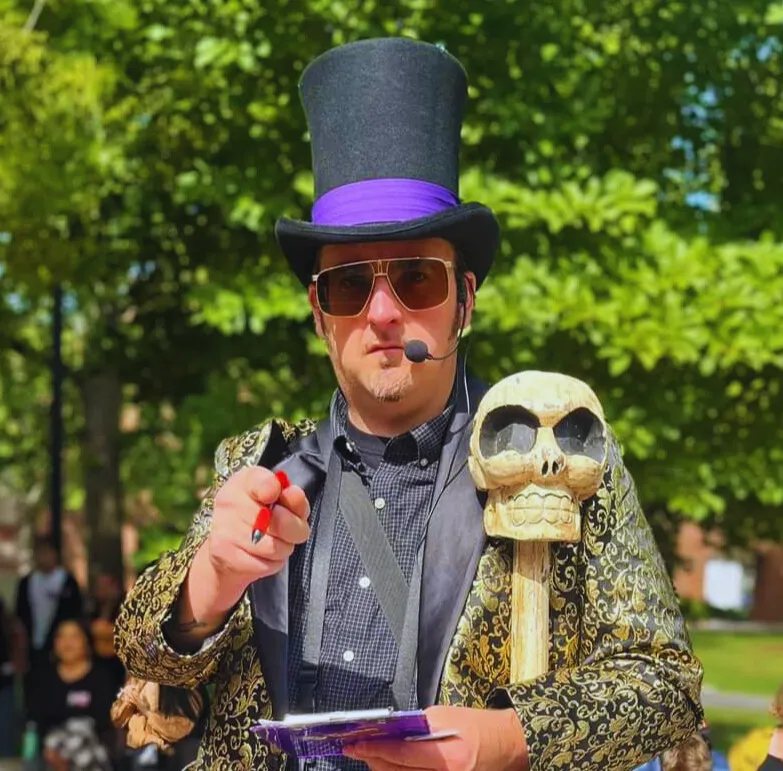
Dr. Vitka is a Salem historian, licensed city guide and professional paranormal investigator. He leads the Spellbound Tour nightly and hosts the Spellbound podcast.
Keep reading
Reserve your place
Walk these stories in person.
The Spellbound Tour runs nightly from the Revere Bell at the Salem Visitor Center. From $28, all ages, rain or shine.
Nightly tours · All ages · Rain or shine · (978) 740-1876