
Salem History
A Brief History of Ghosts and Witches in Salem
How a farming village, a court that accepted dreams as evidence, and a twentieth-century tourism campaign created the city we visit today.
The word "witch" carries three hundred years of baggage in Salem, and most of it was added after the fact. Understanding what actually happened in 1692 — and what happened afterward — makes the city far more interesting than the costume version.
Before 1692
Salem was founded in 1626 and grew into a port town with a farming hinterland. Salem Village, now Danvers, was a separate community with its own church politics and long-running disputes over land and taxes. Witchcraft accusations were not unknown in New England; there had been cases in Hartford, Boston and elsewhere. What made 1692 different was the scale and the willingness of the courts to accept spectral evidence — testimony about dreams and visions that no one else could see.
The trials
The accusations began with a group of young women in Salem Village and spread quickly. By the end of the year, more than 200 people had been accused. Nineteen were hanged on Gallows Hill, one man was pressed to death with stones, and several died in prison. The court accepted dreams as proof, refused to hear challenges to its methods, and convicted people on the basis of fits and visions.
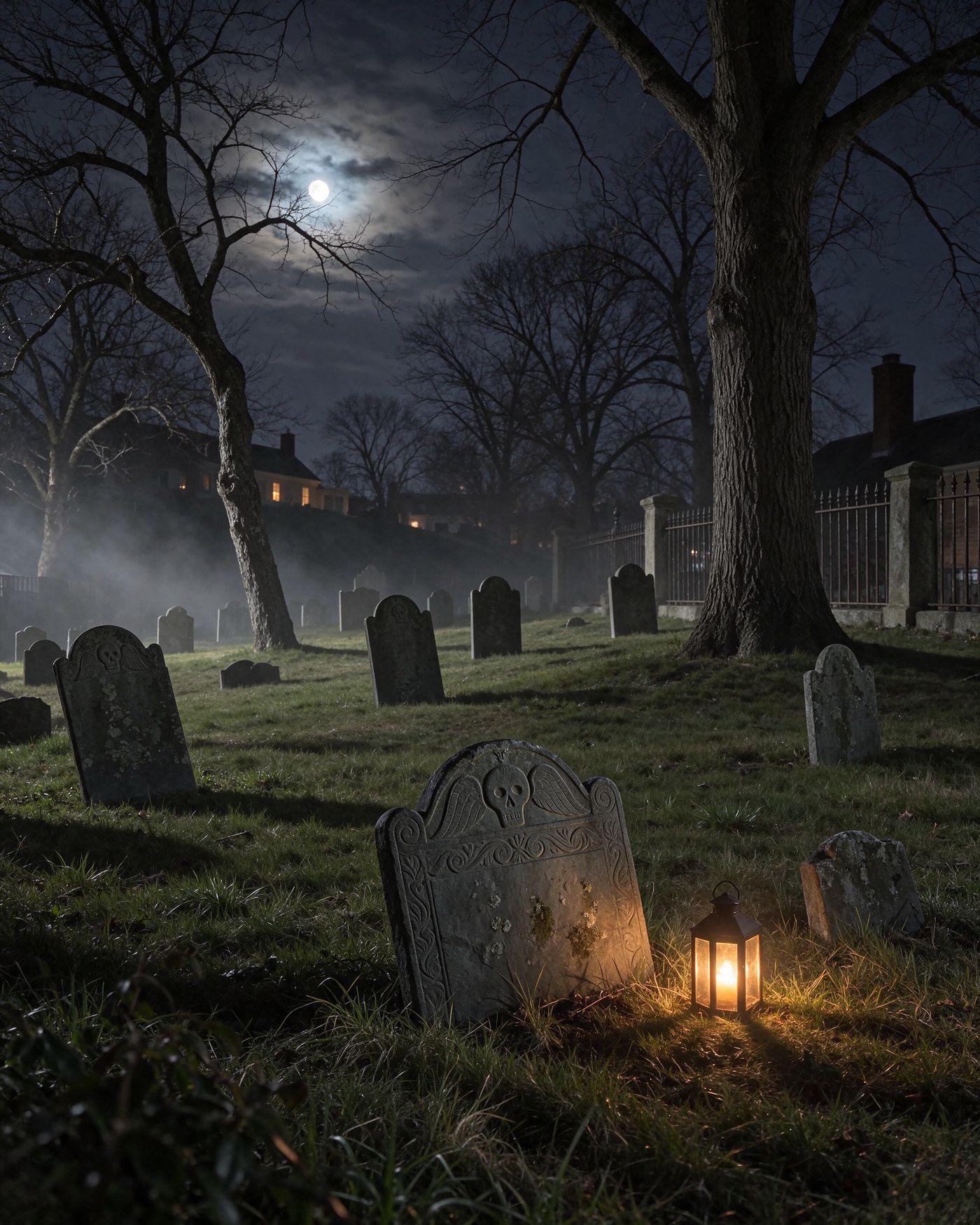
The colony eventually admitted the error, reversed the convictions and compensated some families. The judges did not. Judge John Hathorne never expressed remorse, and his grave in the Old Burying Point says nothing about the trials.
After the trials
Salem spent the eighteenth century making money. The China trade, privateering and merchant shipping made the city wealthy, and the mansions on Chestnut Street are the residue. The trials became an embarrassment — discussed in private, omitted from public memory, and largely left out of the city's self-presentation until the twentieth century.
How Salem became Witch City
The modern identity was built deliberately. A 1970s tourism campaign leaned into the trials; the 1993 film Hocus Pocus turned Old Town Hall into a pilgrimage site; the internet finished the job. Today Salem draws more than a million visitors a year, most of them in October, and the witch economy supports a large share of downtown.
That history is complicated, and the people who live here know it. The 1692 executions were not a costume party. The accused were real people with descendants still in the city.
Where the ghosts come in
Salem's hauntings are a separate tradition from its witch history, though the two get tangled in the retelling. The reports that matter — the Lyceum, Old Town Hall, the Hawthorne Hotel, the burying ground — are tied to specific deaths and specific buildings, and they can be investigated rather than simply believed.
How to experience it properly
See the Witch House, the Old Burying Point, the Witch Trials Memorial and Proctor's Ledge. Then walk the city after dark with someone who knows which stories are documented. The Spellbound Tour covers all of it in ninety minutes, from the Revere Bell at the Salem Visitor Center, nightly, from $28.
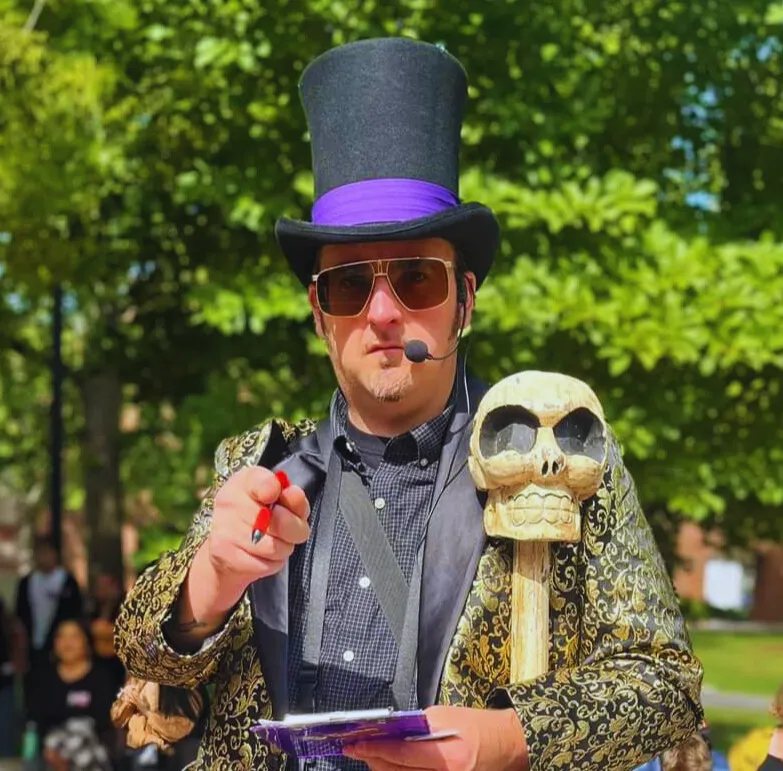
Dr. Vitka is a Salem historian, licensed city guide and professional paranormal investigator. He leads the Spellbound Tour nightly and hosts the Spellbound podcast.
Keep reading
Reserve your place
Walk these stories in person.
The Spellbound Tour runs nightly from the Revere Bell at the Salem Visitor Center. From $28, all ages, rain or shine.
Nightly tours · All ages · Rain or shine · (978) 740-1876