
Salem History
Salem's Death Shop
A nineteenth-century Essex Street business that sold coffins, mourning goods and, according to local record, considerably more.
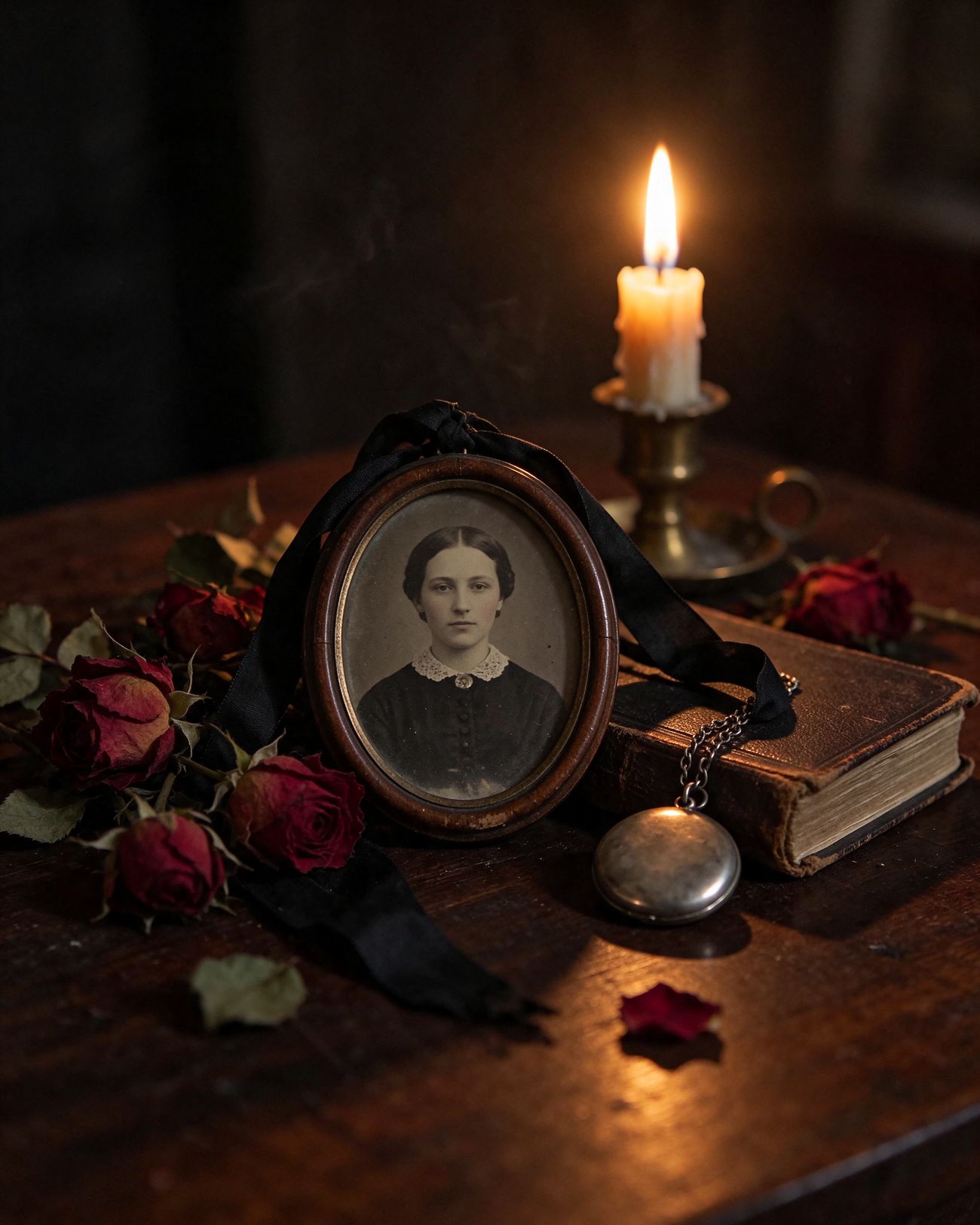
Salem in the nineteenth century was a port city with a large working waterfront, a wealthy merchant class and a very high mortality rate. It also had a trade in the things that death requires: coffins, shrouds, mourning jewellery, black crepe and, at the stranger end of the market, human remains.
The business of dying
Before the modern funeral industry, most of this work was done at home. A cabinetmaker built the coffin; the family laid out the body; a shop supplied the cloth, the gloves and the mourning pins. In a city the size of Salem there was enough demand to support specialists.
The shops clustered on Essex Street, near the wharves where goods arrived and near the churches where the funerals were held.
The medical trade
Medical schools in Boston and beyond needed cadavers, and the supply was legally restricted to executed criminals. The gap was filled by resurrectionists — men who dug up the newly buried and sold the bodies. New England has a long record of this, and Salem's burying grounds were not immune.
There are accounts of graves found disturbed in the Old Burying Point, and of families posting watch over new graves. The practice was widespread enough that Massachusetts passed legislation to prevent it.
The shop itself
Local histories describe a shop on Essex Street that sold funeral goods and, according to the stories that survive, displayed items that were not for the ordinary customer: preserved specimens, anatomical curiosities and objects of unclear provenance.
How much of this is documented and how much is nineteenth-century newspaper embellishment is difficult to establish. Newspapers of the period were not above a gruesome story, and Salem had a reputation to maintain.
Why it matters
Because it explains something about the city's relationship with death. Salem has been in the death business for a very long time — as a port that buried sailors, as a town that hanged its neighbours, as a city that sold mourning goods, and now as a destination where a million visitors a year come to think about mortality in a managed, ticketed way.
The continuity is longer and stranger than the witch shops suggest.
Where the story surfaces
The tour covers the Essex Street trades, the burying ground and the resurrectionists as part of the walk between the trial sites and the waterfront. It runs nightly from the Revere Bell at the Salem Visitor Center, from $28, and it does not require you to buy anything.
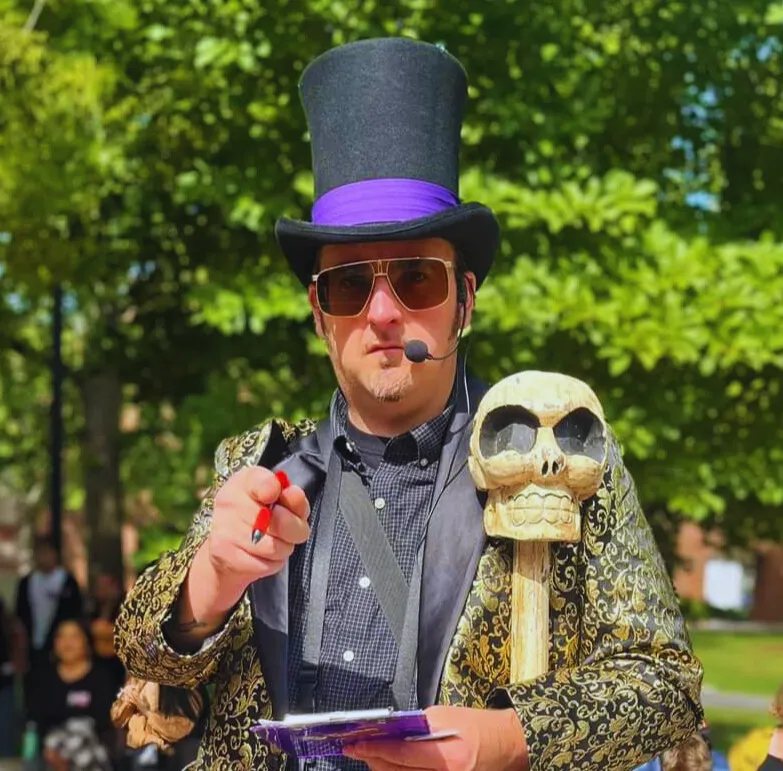
Dr. Vitka is a Salem historian, licensed city guide and professional paranormal investigator. He leads the Spellbound Tour nightly and hosts the Spellbound podcast.
Keep reading
Reserve your place
Walk these stories in person.
The Spellbound Tour runs nightly from the Revere Bell at the Salem Visitor Center. From $28, all ages, rain or shine.
Nightly tours · All ages · Rain or shine · (978) 740-1876