
Salem History
Best Things to Do in Salem
Twenty years of recommending Salem to visitors, condensed into the things actually worth your day — and the ones you can skip.
Salem is small, which is both its charm and its problem: with one day you can see everything on the tourist map, and most of it is not very good. This is the list I give guests when they ask what else to do, ordered by what is worth your time rather than what is closest to the car park.
1. The Witch House
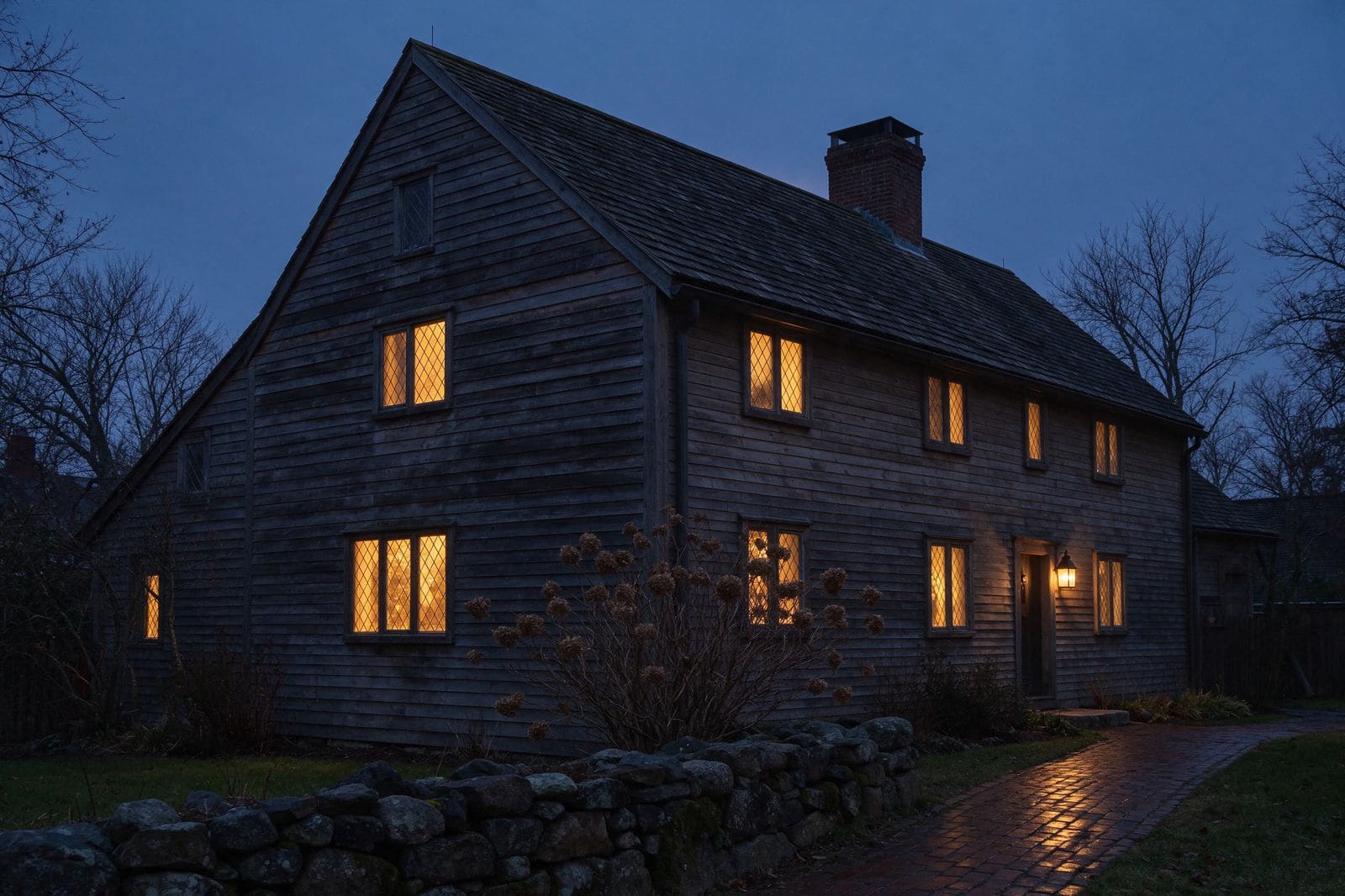
The only surviving building in Salem with a direct connection to the 1692 trials. Jonathan Corwin signed arrest warrants; this was his home. The interiors are original in places, the stairs are steep, and the experience is far more affecting than the theatrical attractions nearby. Go early — the house is small and the queue builds fast in October.
2. The Peabody Essex Museum
One of the oldest continuously operating museums in the United States, with maritime art, Asian export collections and a Qing dynasty house brought over from China and rebuilt in the courtyard. It is the best museum in the city by a wide margin, and the one most visitors skip.
3. The Old Burying Point and Witch Trials Memorial
Salem's oldest cemetery, opened in 1637, and the memorial next to it: twenty stone benches, one for each person killed in 1692. Free, quiet and central. Read the stones — the iconography alone is worth twenty minutes.
4. The House of the Seven Gables
A 1668 merchant's mansion with a secret staircase, a hidden room and a garden that runs down to the water. The tour is genuinely good, and the view from the back lawn explains Salem's first fortune better than any exhibit.
5. Salem Willows
A waterfront park on Salem Neck with a small beach, a vintage arcade, picnic tables and the best sunset in the city. Locals come here to escape the season. It is a twenty-five-minute walk from downtown and worth every minute.
6. Proctor's Ledge Memorial
The site where the 1692 executions most likely took place, identified by research published in 2016. It is a small memorial on a residential street, with the names of the dead on a low wall. There is no ticket, no guide and no crowd — which is exactly why it matters.
7. Count Orlok's Nightmare Gallery
A serious collection of horror cinema props and figures on Derby Street — Nosferatu, Frankenstein's creature, the Phantom. It is fun, it is fast, and it is the best rainy-hour stop in the city.
8. The Salem Witch Museum
Theatrical, dated and effective. Staged tableaux tell the story of the trials in sequence, which is useful if you are travelling with children or want the narrative before walking the sites. Do not expect scholarship; do expect to understand the timeline.
9. The Salem Maritime National Historic Site
Derby Wharf, the Custom House and a reconstruction of the tall ship Friendship, all run by the National Park Service and all free. This is the part of Salem's history that has nothing to do with witches, and it explains how the city paid for everything else.
10. The Spellbound Tour
I am biased, but the walking tour is the thing that makes the rest of the day add up. Nine documented stops after dark, from the field where Giles Corey was pressed to death to the grave of the judge who condemned him, led by a licensed paranormal investigator. Ninety minutes, all ages, from $28.
What you can skip
Any attraction that promises a guaranteed ghost. Any "museum" with a queue longer than its content. And the souvenir shops on Essex Street, unless you genuinely need a hoodie — the better shops are one block off the main drag.
How to structure a day
Museums and the Witch House in the morning, the waterfront and Salem Willows in the afternoon, dinner early, then the tour at dusk. Stay the night if you can. Salem at 8am, before the crowds, is a different and much better city.
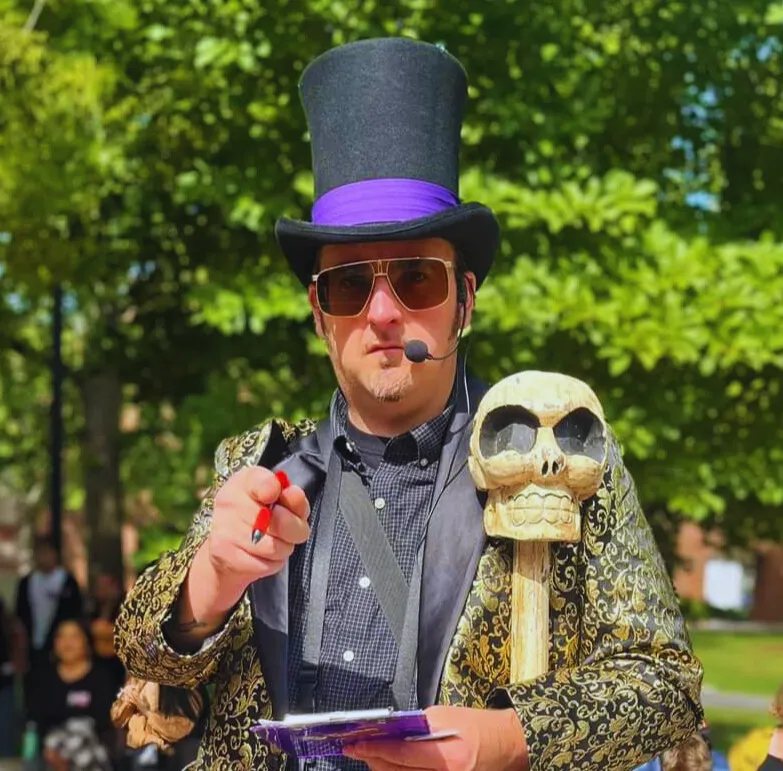
Dr. Vitka is a Salem historian, licensed city guide and professional paranormal investigator. He leads the Spellbound Tour nightly and hosts the Spellbound podcast.
Keep reading
Reserve your place
Walk these stories in person.
The Spellbound Tour runs nightly from the Revere Bell at the Salem Visitor Center. From $28, all ages, rain or shine.
Nightly tours · All ages · Rain or shine · (978) 740-1876