
The Tour
A Guide to the Spooky Vampire Tour
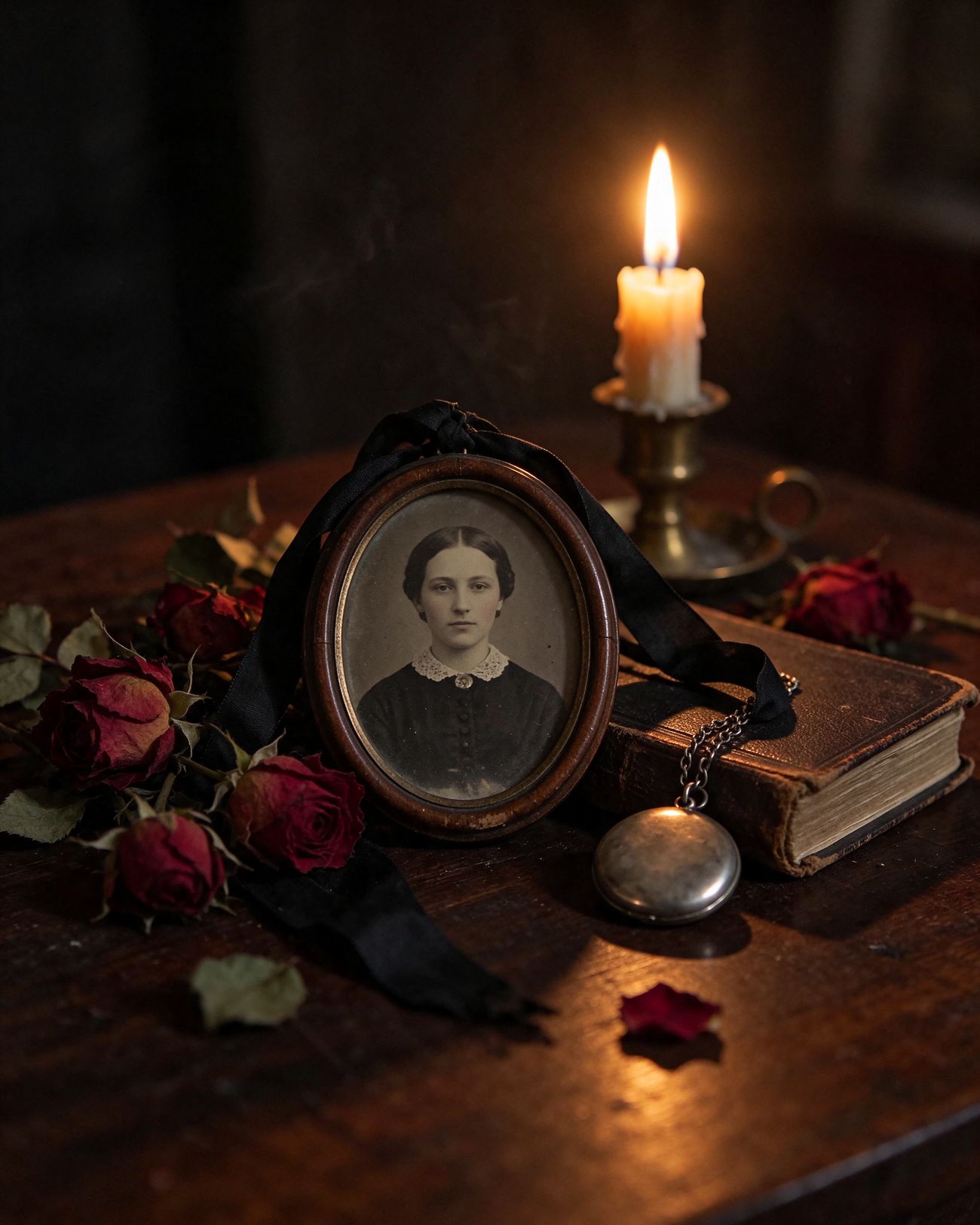
Long before Salem sold its first fang, rural New England was digging up its own dead. A guide to the vampire thread of the walk.
The word "vampire" does not usually belong in a Salem itinerary. It should. Before Salem became a horror destination, rural New England had its own vampire panic — a documented, church-sanctioned practice of exhuming the dead to stop tuberculosis. The tour covers it because it is one of the strangest true stories in the region's history.
Meet your guide
Dr. Vitka has been researching New England vampire folklore for years, alongside his work on the 1692 trials and the Voodoo tradition Tituba brought to Salem. He is a licensed city guide, a professional paranormal investigator, and the owner of Spellbound Tours.
The vampire panic, briefly
In the eighteenth and nineteenth centuries, tuberculosis killed entire families across New England. Communities that did not understand the disease looked for another explanation, and found one in the recently dead. The belief was that a dead family member was draining the living — and that the remedy was to dig up the body, identify the "vampire," and destroy the heart.
The most famous case is Mercy Brown of Exeter, Rhode Island, exhumed in 1892. Her heart was burned and the ash mixed into a drink for her dying brother. He died anyway. There are dozens of similar cases across Rhode Island, Connecticut, Vermont, Maine and Massachusetts, documented in town records and newspaper accounts.
Why it belongs on a Salem tour
Because the same logic that produced the vampire panic produced the witch trials: a community under pressure, a search for a hidden cause, and a willingness to act on evidence that could not be tested. Salem's 1692 accusations and New England's vampire exhumations are two expressions of the same fear.
They also connect to the present. Salem has a visible modern vampire community — people who identify with the folklore, wear fangs, and in some cases organize socially around it. The tour treats them as people rather than as a joke.
The Voodoo connection
Tituba, the enslaved woman whose testimony helped ignite the witch hysteria, came to Salem from Barbados. The practices she brought with her — divination, counterspells, a different relationship with the dead — shaped how the accusations were understood. Dr. Vitka researched Voodoo practice in the Louisiana bayous before bringing that thread back to Essex Street.
A spine-chilling itinerary
The vampire material is woven into the same ninety-minute walk as the trial sites:
- The Revere Bell at the Salem Visitor Center, where the walk begins
- The field where Giles Corey was pressed to death
- The Witch Dungeon site
- The Lyceum on Church Street
- Old Town Hall and the Hocus Pocus ballroom
- The Boston Strangler's Salem address
- The police station where Houdini performed
- The Old Burying Point and Judge Hathorne's grave
- The Peabody Essex Museum, and the story in its walls
Book the walk
The tour meets at the Revere Bell in front of the Salem Visitor Center, 213 Essex Street. Tickets start at $28, the walk is all-ages, and it runs rain or shine, nightly. Bring a camera — the vampire section produces more strange photographs than any other part of the route.
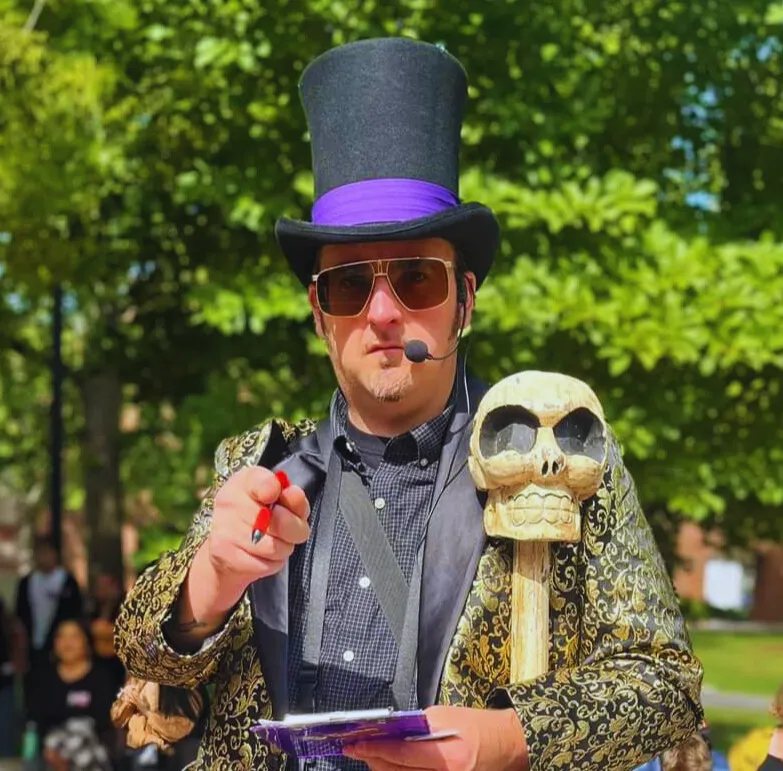
Dr. Vitka is a Salem historian, licensed city guide and professional paranormal investigator. He leads the Spellbound Tour nightly and hosts the Spellbound podcast.
Keep reading
Reserve your place
Walk these stories in person.
The Spellbound Tour runs nightly from the Revere Bell at the Salem Visitor Center. From $28, all ages, rain or shine.
Nightly tours · All ages · Rain or shine · (978) 740-1876